The Greater Chaco Region
History, Cultural Importance, Federal Actions, and Next Steps
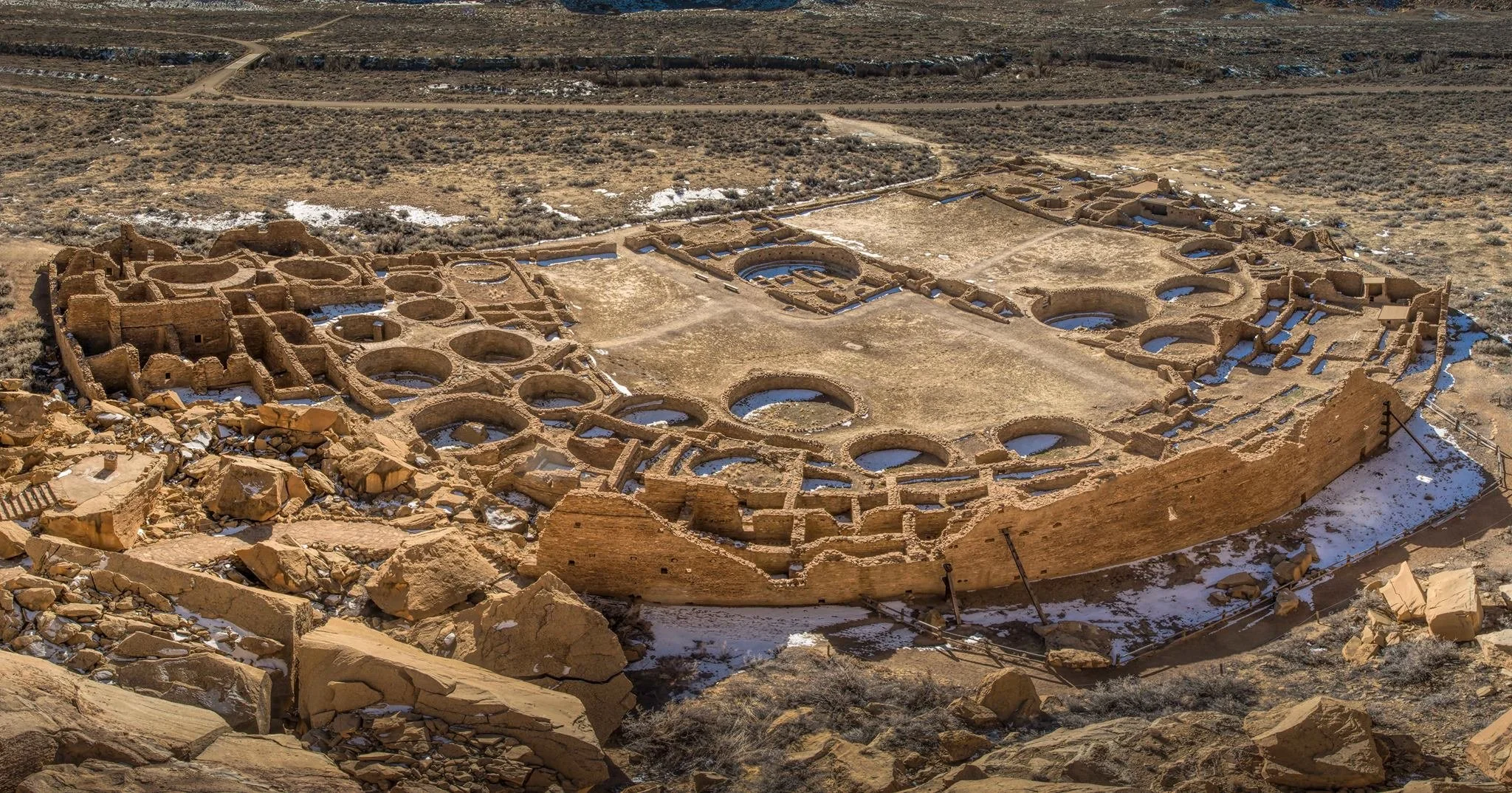
The Greater Chaco Region extends throughout the Four Corners Region to the existing Pueblos and Tribes of today. It encompasses a vast, living, and sacred landscape that contains archaeological, cultural, and natural features of critical importance to Pueblos, Diné, and Tribes. At its heart is Chaco Canyon, where ancestral Pueblo and Diné peoples lived, flourished, and stewarded the land. The descendants of those communities continue to maintain deep spiritual, cultural, and historical connections to Chaco Canyon.
How to Take Action
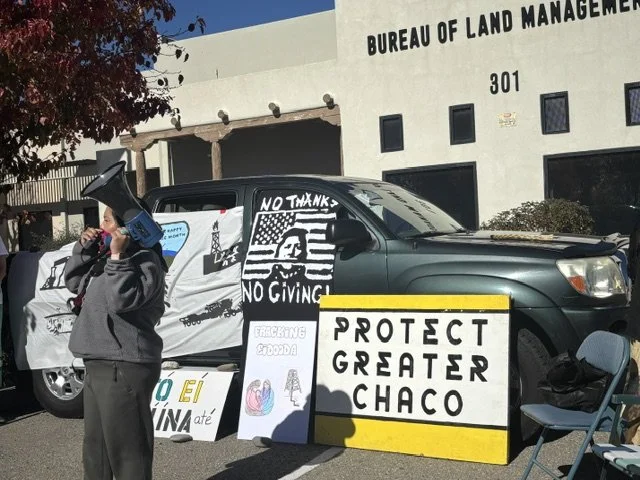
We must act collectively to demand that federal agencies respect Tribal sovereignty and follow the rule of law. Here is how you can support the protection of Greater Chaco:
Amplify the Call for a Full EIS
Contact your representatives and the BLM to insist that any change in the status of the 10-mile buffer zone undergo a full Environmental Impact Statement (EIS) that includes deep, landscape-level cultural resource surveys led by Tribal experts.
Pueblo Leadership Consultation Meetings
Pueblos are continuing to participate in government-to-government consultation meetings, submit formal objections to the revocation of PLO 7923, and coordinating with the All Pueblo Council of Governors, the Chaco Heritage Tribal Association, state agencies, and New Mexico’s congressional delegation to defend the withdrawal and seek permanent legislative protection for the region. Any attempt to revoke PLO 7923 without meaningful government-to-government consultation violates Section 106 of the National Historic Preservation Act, Executive Order 13175, The Navajo Nation’s rights under UNDRIP, Tribal sovereignty, and denies Navajo Chapters a meaningful role in decisions that directly affect their lands and futures.
Submit Public Comments in Lease Sales
The United States Bureau of Land Management (BLM) is proposing to lease 12 parcels of ancestral lands totaling 16,855.5 acres within the BLM Farmington Field Office and Rio Puerco Field Office on August 19, 2026. These parcels are located within the Greater Chaco Landscape in northwestern New Mexico.
This lease sale comes as the Trump administration seeks to revoke the 10-mile buffer around Chaco Canyon while simultaneously accelerating quarterly oil and gas lease sales across the Greater Chaco landscape. Rather than respecting years of Tribal consultation, BLM is moving to reopen protected lands and continue industrializing one of the world's most significant cultural landscapes. Greater Chaco has been treated as a sacrifice zone for generations. Continuing quarterly lease sales while communities live with the legacy of pollution, contaminated water, industrial traffic, and damaged sacred places is incompatible with environmental justice.
BLM is accepting protest comments regarding this lease sale until July 20, 2026 @ 4 pm MT. Find template letters and submit your comment here.
Sovereign Energy will continue to track this item and provide updates.
Thank you to Catalyst Fund of the Network for Landscape Conservation for your support in drafting this webpage.
BLM Q3 2026 Oil & Gas Lease Parcels in the Greater Chaco Landscape
This map details the parcels up for sale in the Bureau of Land Management’s 2026 Quarter 3 lease sale, their relation to Chaco Canyon Historic Site, and which parcels will be up for the August sale.
The Greater Chaco Region History
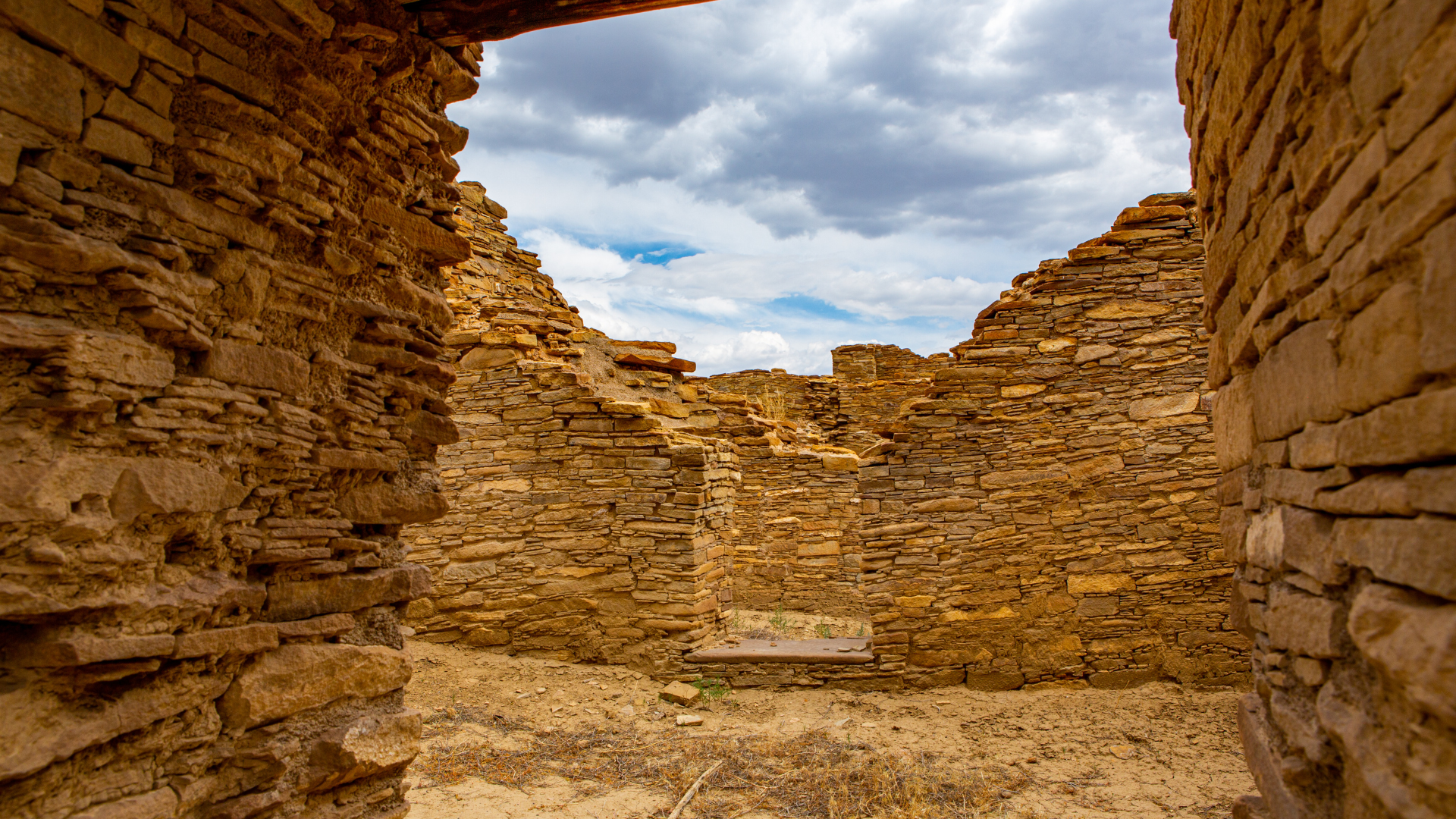
Importantly, the Greater Chaco Region is not solely a place of ancestral memory. It is also home to Diné communities today, whose families, livelihoods, ceremonies, and daily lives are rooted within this landscape. Greater Chaco is therefore essential to Pueblo and Diné identity, cultural continuity, and the exercise of self-determination. Today, the land is divided into federal, state, private, trust, Tribal, and allottee land.
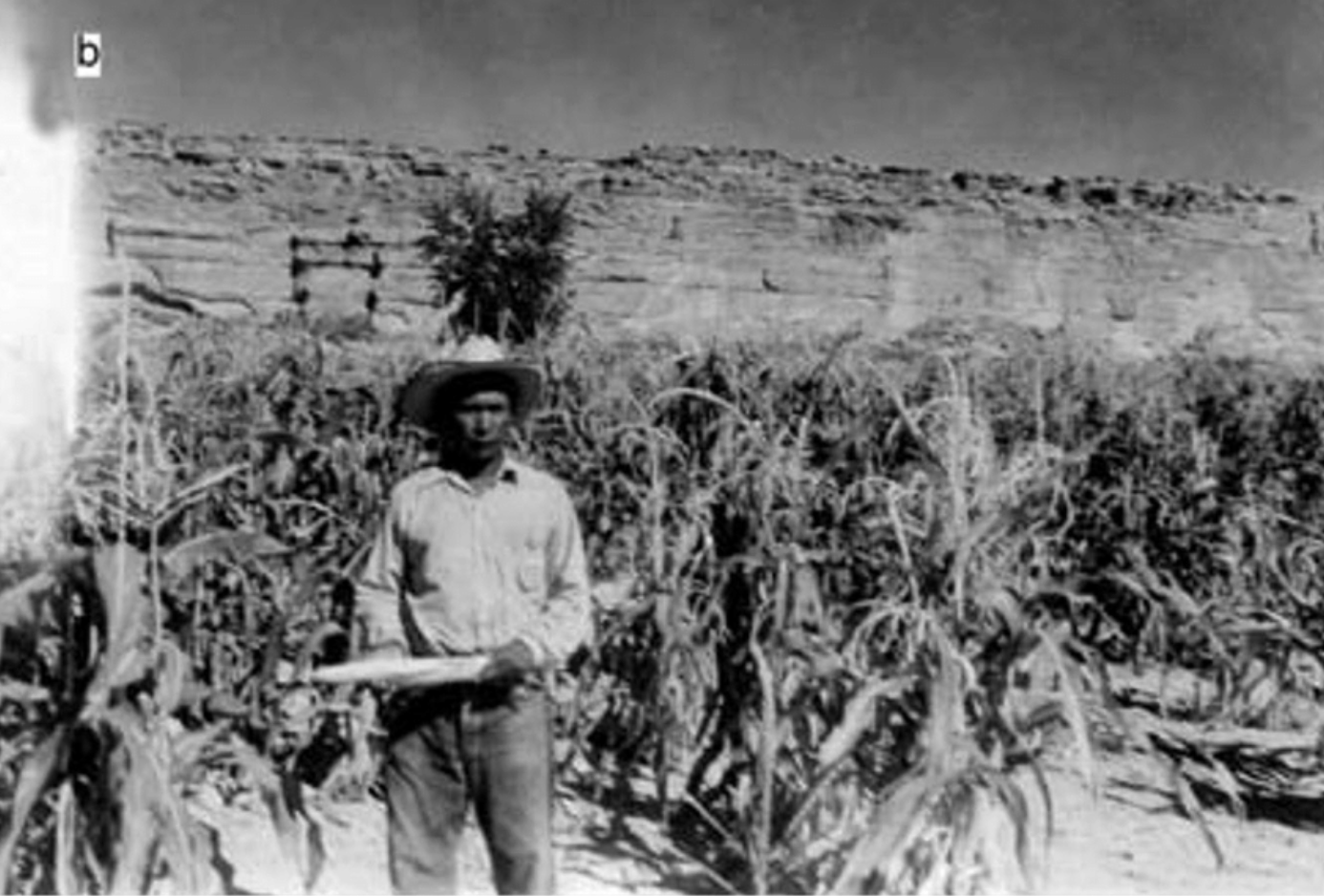
Navajo cornfields in Chaco Canyon: (a) field on the margin of the main floodplain at harvest time in 1898 (note the pile of husks in the foreground, with corn ears in a heap next to the standing individual) (Courtesy Maxwell Museum of Anthropology, University of New Mexico, Neg. No. 88.41.16); (b) Roy Newton in his cornfield on the floodplain of Chaco Wash at the intersection with Escavada Wash. (Courtesy Chaco Culture National Historical Park Museum Collection, chacoarchive.org, Neg. No. 78146
Right now, this landscape and its cultural resources are threatened and overwhelmed by oil and gas development. There are nearly 40,000 active and abandoned oil and gas wells across the Greater Chaco Landscape, with over 95% of federal lands already leased for extraction. The sacred sites, cultural resources, and Greater Chaco landscape as a whole are relied upon to sustain cultural practices and ways of life. Unchecked oil and gas development directly impacts and threatens these resources, jeopardizing the history, culture, and people of Pueblos, Chapter communities, and Tribes who remain connected to this sacred landscape. These impacts are cumulative, ongoing, and disproportionately borne by nearby Diné and Pueblo communities. These burdens have fallen especially heavily on local Diné communities, who have repeatedly raised concerns about health, safety, air pollution, water contamination, local infrastructure, and ongoing erosion of community well-being, as documented in the KBHIS Health Impact Assessment (See KBHIS Health Impact Assessment, New Mexico Health Equity Partnership, 2021).
Protection of the Greater Chaco Region and communities has involved a diversity of strategies and stakeholders, led by Pueblo and Diné communities, including the NM State Land Office and other state agencies, NM’s Congressional Delegation, environmental organizations, and many others. It has culminated in the introduction of federal legislation to permanently protect the region, Tribally-led ethnographic studies, and, recently, the DOI’s 2023 Public Land Order 7923, establishing a buffer zone withdrawing federal oil, gas, and mineral leasing for 10 miles surrounding Chaco Culture National Historic Park for 20 years. In addition, the withdrawal reflects coordination and alignment with the State of New Mexico, which took parallel action to withdraw state-managed lands in the region. The coordinated federal-state approach underscores broad recognition of the need for durable protections across the jurisdictions of the Greater Chaco Region. The Department of the Interior’s Honoring Chaco Initiative (HCI) is a parallel, ongoing effort to incorporate input from Tribal Nations, state agencies, Indigenous organizations, and local communities on the management of lands across the broader Greater Chaco Region.
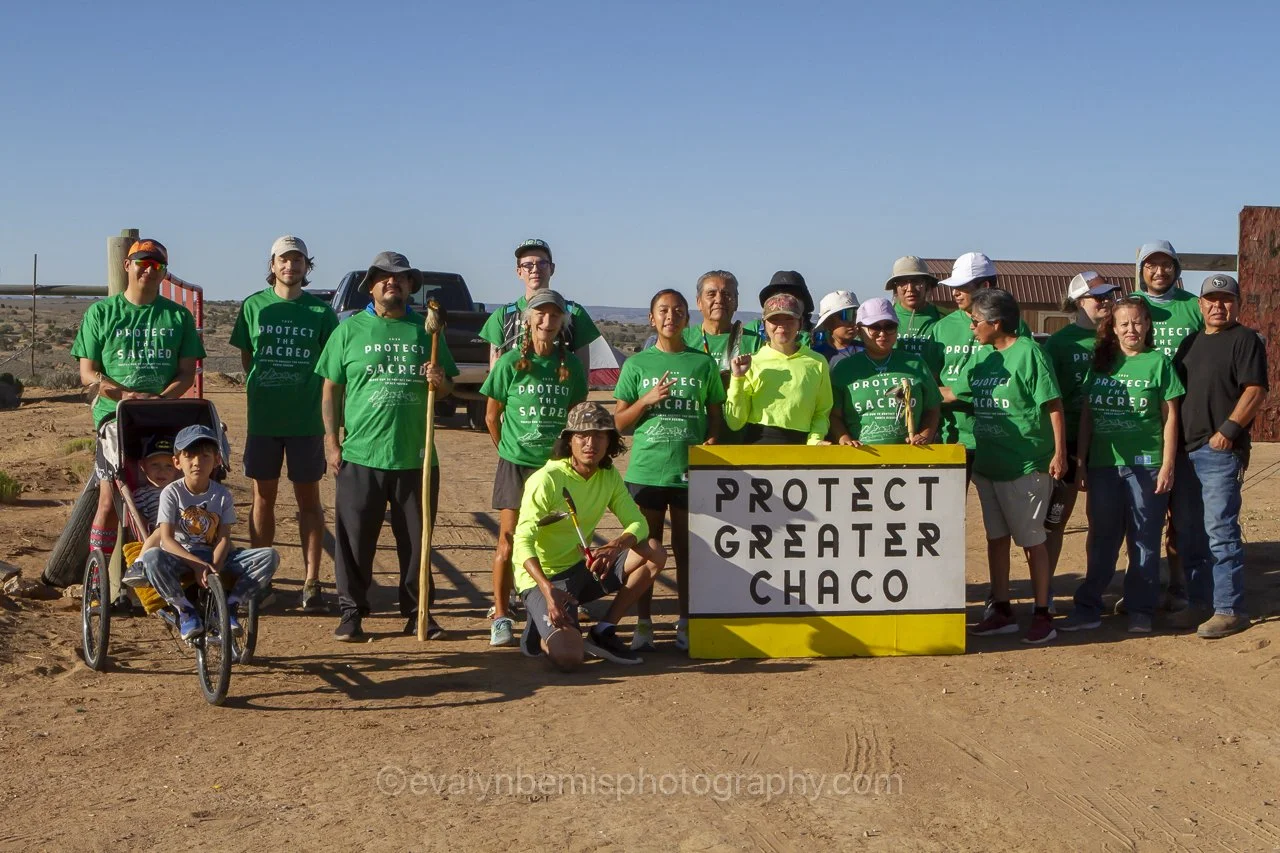
While a step in the right direction of protecting immediate communities and sacred sites, the buffer zone does not cover the entirety of the Greater Chaco Region. The current efforts to protect the Region are marked by real and complex inter-Tribal tensions, shaped by history, jurisdictional differences, and uneven development impacts. Today, the Navajo Nation supports revoking the buffer zone, while Pueblo Nations and Diné community members continue to call for permanent protection of the 10-mile withdrawal area. Pueblos collectively, many local Navajo chapters, and Tribal advocacy groups continue to vocalize their support for a buffer zone.
These differences have resulted in unequal exposure to development impacts and different economic pressures, particularly for Diné allottees. Diné-led health research documents disproportionate exposure to pollution, spills, and industrial activity. Additionally, Pueblo Nations emphasize cumulative impacts to sacred landscapes, migration corridors, and cultural continuity.
Much of the land surrounding Chaco Canyon includes Navajo Nation trust land, Navajo allotments, and federal public land. The Diné community members living near or in the Region experience constant uncertainty, with regulations regarding federal land repeatedly implemented and then revoked. Despite the variability with federal land, Native people and their right to lease on allottee or private land remains protected.
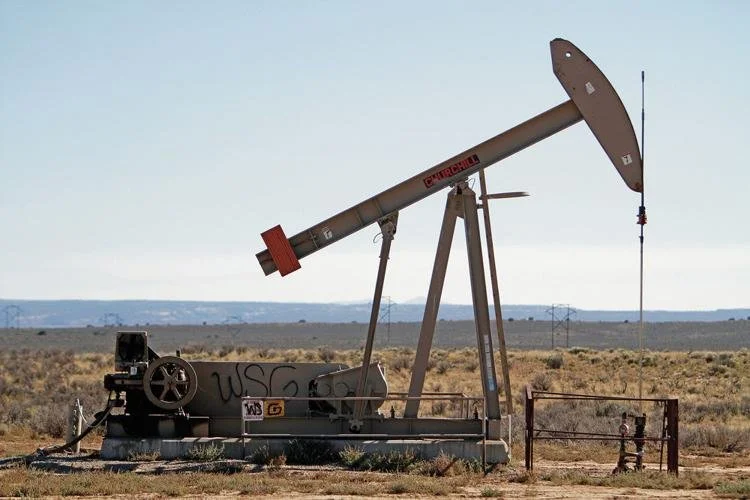
Diné–Pueblo solidarity has been a central and defining element of the movement to protect the Greater Chaco landscape and surrounding communities. Protection efforts in the Greater Chaco region have involved multiple Tribes, Tribal communities, and Tribal organizations over many years. Through joint statements, resolutions, community advocacy, prayer runs, and government-to-government engagement, Diné and Pueblo communities have helped raise national awareness of the need to protect the region for future generations.
Navajo Nation Chapters and Diné community members in the Greater Chaco region have advocated for environmental, cultural, and community health protections for more than a decade, including formal resolutions, letters, and testimony. The protection of Chaco is not a new or outside-driven issue, but the result of sustained Diné leadership rooted in lived experience, cultural responsibility, and community health. Many Diné communities and members have emphasized the importance of pursuing community-defined economic development pathways, including infrastructure investments and culturally grounded development that do not require sacrificing health, land, or sacred places.
The Navajo Nation leadership and the All Pueblo Council of Governors (APCG) met twice, once in 2017 and another in 2019, to issue statements against fracking and horizontal drilling in Greater Chaco.
The APCG maintains a two-part approach towards protecting Chaco Canyon and the Greater Chaco Region:
Seeking withdrawal of federal land from future mineral development in an especially critical approximately 10-mile withdrawal area surrounding Chaco Canyon and including its outliers; and
Seeking sufficient tribally-led cultural resources studies and tribal consultation preceding all other developments, including lease sales, in the Greater Chaco Region.
The Pueblos are engaged in multiple concurrent strategies to protect the Greater Chaco Region. These include:
BLM/BIA’s Resource Management Plan Amendment (RMPA/EIS), in the making since 2012, which aims to guide land management decisions while considering cultural and environmental factors;
National Historic Preservation Act Section 106, initiated with Tribes in 2021 and since shifting to a Programmatic Agreement (PA), to ensure cultural resources are considered and impacts mitigated;
Federal legislative efforts, such as the Chaco Cultural Heritage Area Protection Act, began in 2017 to establish permanent protections for the region's cultural resources.
The Chaco Heritage Tribal Association (CHTA), comprised of member Pueblos (Acoma, Jemez, Laguna, and Zuni, with supporting Tribes San Felipe, Santa Clara, Tesuque, and Zia) since 2018, has been conducting a Tribally-led ethnographic study to document cultural significance and inform federal decision-making.
Honoring the Chaco Initiative, a DOI proposal for a broader assessment of the Greater Chaco Region, so that it could ensure land management better reflects the sacred sites, stories, and cultural resources of the region.
Tribal-Led Protection
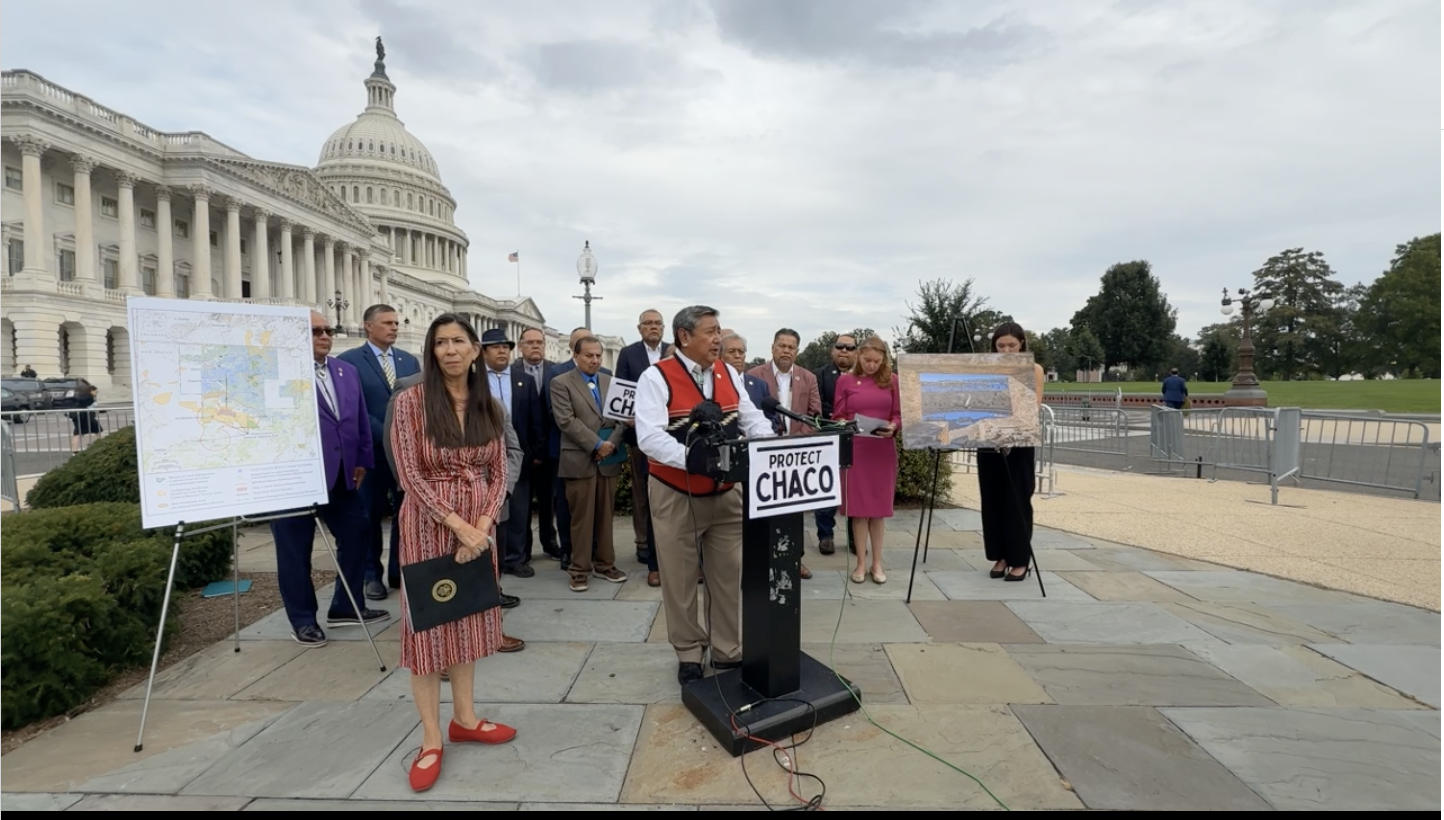
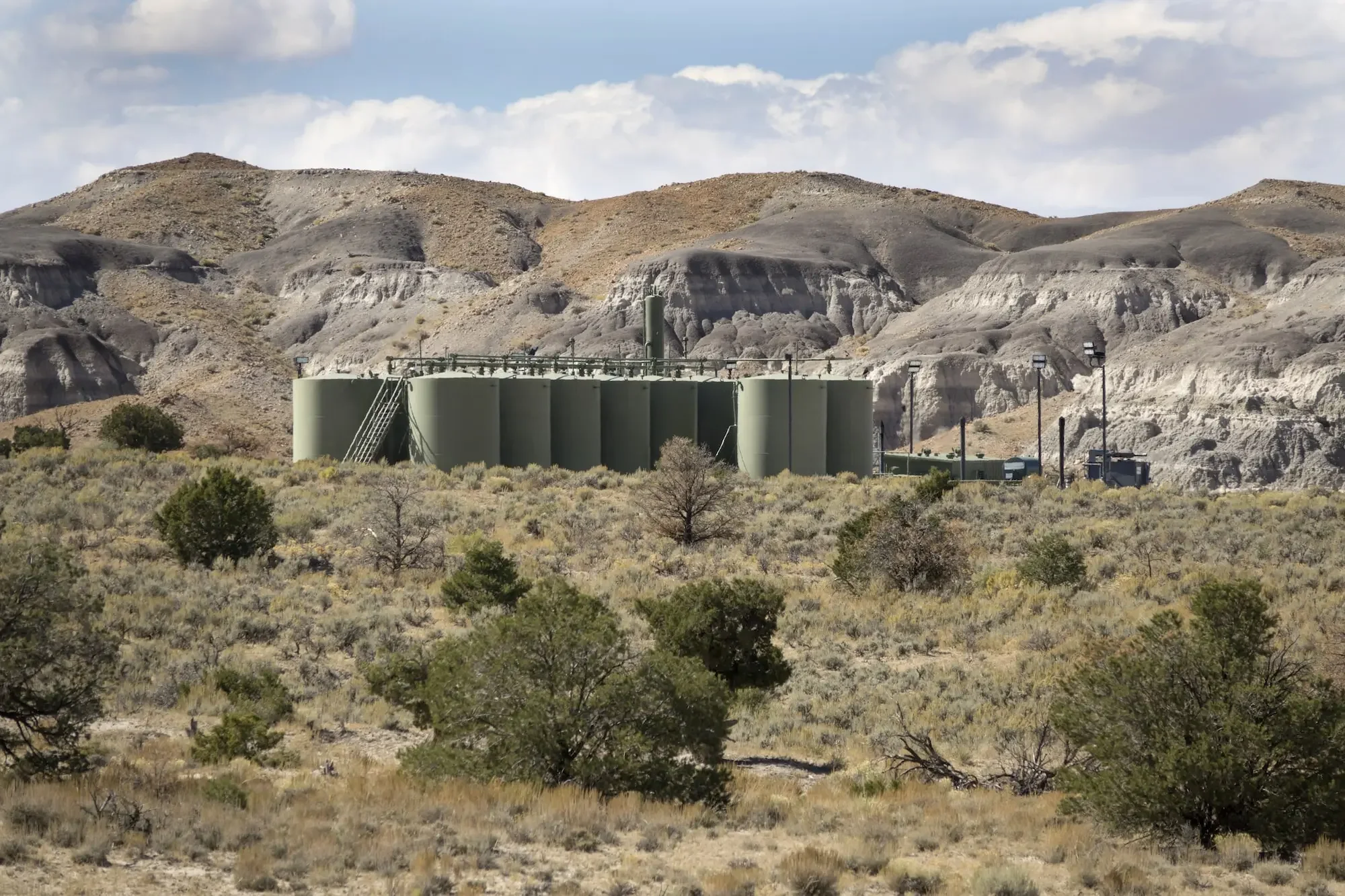
Federal Actions & Next Steps
The Department of the Interior (DOI) and Bureau of Land Management (BLM) have proposed the revocation of Public Land Order 7923. Revocation would re-open approximately 336,400 acres to extractive industries, including oil, gas, uranium, and other hard rock minerals.
The withdrawal area is based on the 10-mile Chaco Protection Zone proposed in the Chaco Cultural Heritage Area Protection Act—federal legislation developed over many years through consultation with Pueblos and the Navajo Nation, community input, and policy analysis. The buffer zone applies only to federal public lands and minerals, and not to Navajo allotted lands or other private minerals, meaning Navajo allottees retain the right to develop their lands and resources if they choose.
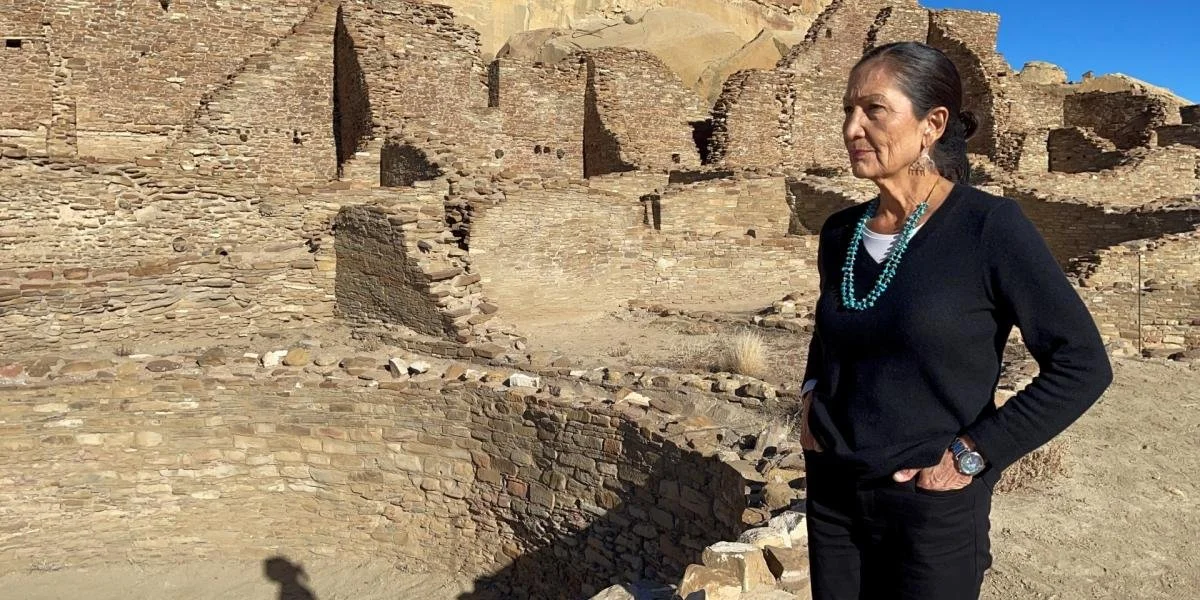
Supporters maintain that the withdrawal safeguards far more than oil and gas; it protects the entire cultural and ecological landscape, and that revoking or weakening PLO 7923 would reopen already overburdened communities to additional extractive harm, threaten sacred sites, water resources, and public health. Some Navajo allottees have raised concerns that the withdrawal may affect the economic feasibility of oil and gas development on nearby allotments, particularly where companies typically develop wells using drilling units that combine federal and allotment minerals.
The future of the withdrawal is currently being contested through federal litigation filed by the Navajo Nation and through a federal policy review process that could determine whether Public Land Order 7923 remains in place, is modified, or is revoked.
Next, a draft environmental assessment (Draft EA) will be published with an anticipated 14-day public comment period (subject to change). When the time comes, we will share an analysis of the Draft EA and a template comment letter based on that analysis.